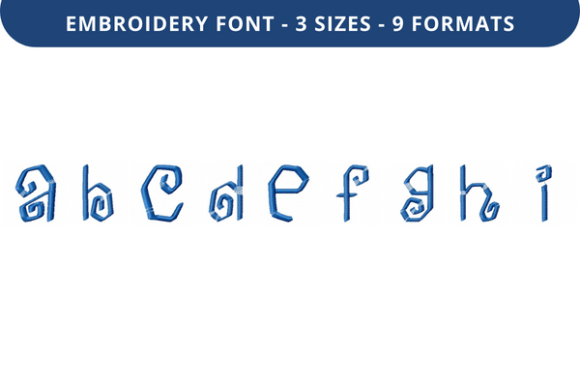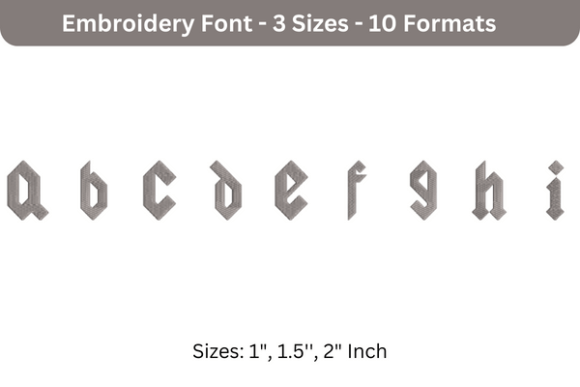
Yeller Font Lowercase a to I Review for Craft Fairs
As an experienced embroidery designer who has spent years refining designs for weekend craft fairs and handmade markets, I know that the difference between a booth item that sits untouched and one that sells out in minutes often comes down to typography. You are not just selling fabric; you are selling a feeling of personalization. When I first looked at Yeller Font Lowercase a to I, my immediate reaction was one of curiosity. The name itself suggests a bold personality, and in the world of machine embroidery design, fonts with distinct character are the ones that catch the eye from across a crowded aisle.
This review is written specifically for Etsy sellers, boutique makers, and creative entrepreneurs who need to make quick judgments on whether a digital embroidery file will translate into a profitable finished product. We are looking at how this specific font performs when applied to real-world items like tote bags, aprons, and tea towels. My goal is to help you decide if Yeller Font Lowercase a to I deserves a spot in your production queue for your next market display.
First Impressions: A Bold Statement for Personalized Goods
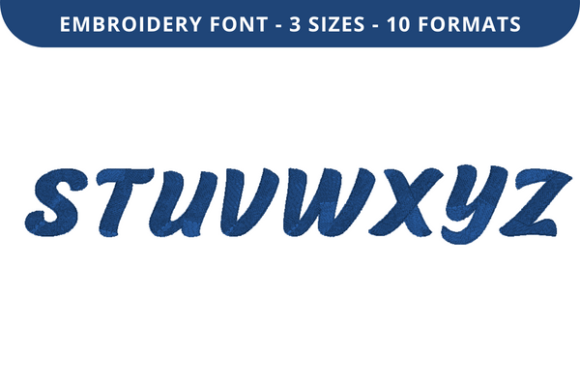
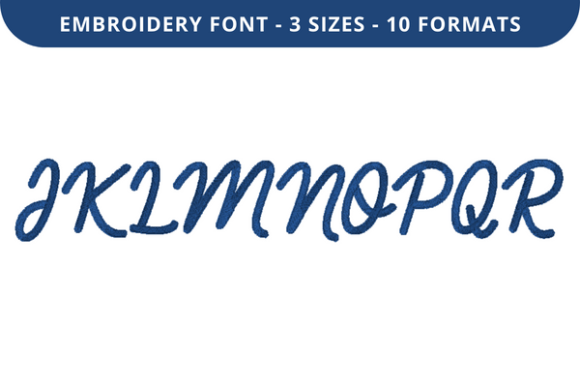
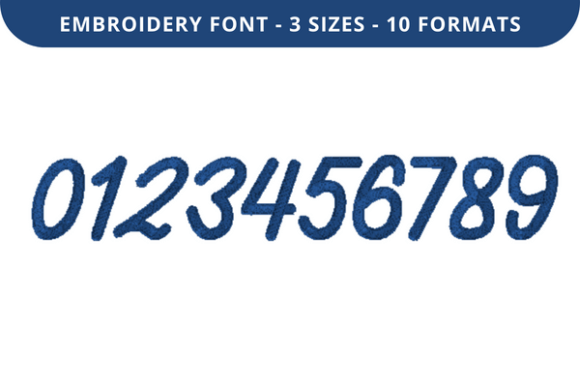
The title Yeller Font Lowercase a to I immediately sets a tone that feels modern yet approachable. In the context of handmade product categories, especially those leaning towards "Back To School" or general lifestyle goods, a font that stands out without being overly ornate is gold. Based on the description provided, this appears to be a high-quality embroidery font designed to write names, dates, or quotes on any fabric you wish.
When visualizing this on a table full of crafts, I imagine a font that is clean and legible. For a craft fair seller, legibility is everything. Customers walking by a booth often scan displays quickly. If they cannot read the text on a tote bag or an embroidered patch within three seconds, the item loses its impact. This font seems to prioritize clarity, which is essential for a design that needs to work as both a small accent and a large focal point. It feels like it could bridge the gap between rustic farmhouse aesthetics and modern minimalism, making it versatile enough for various buyer demographics.
Product Potential: Where Yeller Font Shines
To determine the best use for this embroidery file, we must look at the products where personalized text adds the most value. Here is how I see Yeller Font Lowercase a to I performing across different categories:
- Tote Bag Design: Tote bags are the bread and butter of many handmade shops. A lower-case font like this works beautifully for short phrases or single names. It allows for a playful vibe that appeals to parents buying back-to-school supplies or students heading to college. The lowercase nature makes it feel less formal and more friendly.
- Apron Embroidery: For kitchen-themed gifts, this font can turn a plain canvas apron into a custom chef's coat. Imagine "Chef," "Baker," or a family name stitched onto the bib. The contrast of the thread against the fabric texture here would be striking, provided you choose the right thread colors.
- Tea Towel Embroidery: Tea towels are high-margin items. Using Yeller Font Lowercase a to I for seasonal quotes or simple names creates a premium feel. It looks great centered on a towel or repeated in a pattern along the hem.
- Embroidered Patch: If you plan to sell patches, this font is ideal for creating badges for jackets or backpacks. The clean lines should hold up well even when the design is scaled down slightly, though you must test the stitch density carefully.
- Caps and Small Pouches: For curved cap surfaces or small pouches, the lowercase style is perfect because it takes up less vertical space than all-caps fonts. It fits naturally on the curve of a hat brim or the front pocket of a pencil case.
For an Etsy seller, having a font that works across these diverse items means you can create a cohesive collection. Whether you are listing a printable mockup or a physical commercial embroidery product, consistency in branding is key, and this font offers a strong visual identity.
Production Practicality and Visual Appeal
Making money in the handmade business relies heavily on efficiency. Can you produce this design quickly? Does it photograph well? Yeller Font Lowercase a to I appears to be designed for practical production. Fonts that are too intricate often require hours of manual editing or multiple hooping sessions, which kills profit margins. A font that is straightforward to stitch allows you to batch produce items for a busy weekend fair.
From a visual standpoint, the design should photograph well for online listings. High-contrast thread colors against light fabrics usually showcase the details of the lettering best. However, remember that camera sensors can sometimes smooth out texture. Ensure that your finished product photos capture the depth of the stitches so buyers understand the quality they are receiving.
The ability to repeat this design is also crucial. If you are making a set of matching pillow covers or a series of market bags, does the font scale well? A good design asset should look intentional whether it is 1 inch wide or 6 inches wide. This font seems to have the structural integrity to handle scaling, making it a reliable choice for small shop product lines.
Critical Considerations for the Designer
Before you rush to hoop up your first batch, there are several technical aspects of machine embroidery design that require careful attention. Even the best-looking font can fail if the execution is poor.
Dense Stitch Areas and Tiny Details: While the font looks clear, you must inspect the stitch density. If the letters are too close together, the fabric may pucker, ruining the professional look of your item. Conversely, if the letters are too thin, they might disappear on textured fabrics like heavy canvas or terry cloth tea towels. Always test the smallest version of the design you intend to sell.
Fabric Texture and Stabilizer: The success of this project depends on your stabilizer choice. For a tote bag design made of thick denim, you need a heavy-duty cut-away stabilizer to support the weight of the stitches. For delicate pillow covers, a tear-away might suffice. Ignoring the fabric texture can lead to distortion, making your handmade product look cheap rather than artisanal.
Thread Colors and Contrast: The visual appeal of Yeller Font Lowercase a to I relies heavily on color theory. On dark fabric, ensure your thread color provides enough contrast. A yellow or light-colored font on a black background might wash out if the thread count isn't high enough. Test your thread choices before committing to a full run.
Hoop Size and Curved Surfaces: If you are embroidering caps, the curvature of the surface can distort straight lines. You may need to adjust the spacing of the letters or use a specialized cap frame to ensure the text remains legible. Always confirm the hoop size required for your design files to avoid frustration during production.
Final Verdict for Market Sellers
In conclusion, Yeller Font Lowercase a to I presents itself as a versatile and potentially high-performing tool for your embroidery business. Its focus on lowercase lettering offers a modern, friendly aesthetic that fits perfectly with current trends in personalized gifts and back-to-school merchandise. It has the potential to elevate simple items like aprons and tote bags into premium, gift-worthy pieces.
However, as always with any digital embroidery file, do not skip the testing phase. Create at least one real mockup using the exact fabric and stabilizer you plan to sell. Check the spacing, inspect the stitch density, and compare different fabric colors. By taking these steps, you ensure that your booth display is filled with high-quality items that customers will want to take home.
If you are ready to add a touch of bold personality to your craft fair product line, this font is definitely worth a try. Just remember to verify the commercial licensing terms before selling your finished goods, and you will be well on your way to creating standout designs that drive sales.