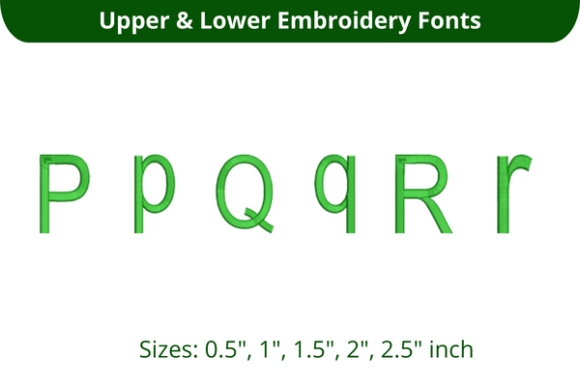
Real-World Review: Arial Narrow Font PQR for Embroidery
When I first opened the file for Arial Narrow Font PQR, my immediate reaction wasn't about the technical specs, but about the vibe. In a sea of script fonts and overly decorative typefaces, this design offers something refreshingly utilitarian. It feels like a clean slate. The letters are tight, professional, and unapologetically modern. For a designer looking to add a touch of sophistication without the clutter of heavy ornamentation, this font is a quiet powerhouse.
I have spent years reviewing embroidery files for clients ranging from boutique owners to hobbyists making custom gifts. My goal is always to determine if a design holds up under the pressure of a sewing machine needle and real-world wear. Today, I am putting Arial Narrow Font PQR through that same rigorous test. Is it just another digital asset, or does it belong in your next commercial project?
The First Stitch: Visual Personality and Mood
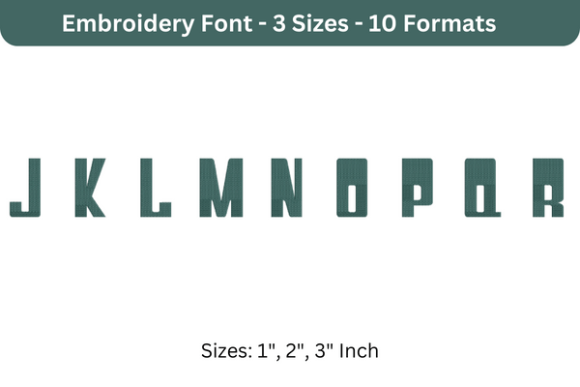
The visual personality of Arial Narrow Font PQR is one of clarity. Unlike wide, bubbly fonts that can look childish on certain garments, this narrow style commands attention through its sleek lines. It creates a mood of efficiency and modernity. When you imagine stitching this onto a garment, it doesn't scream for attention; it whispers with confidence.
This font naturally belongs in projects where legibility is paramount. Think of it as the workhorse of your embroidery library. It works beautifully when you need to convey a message quickly and clearly, such as on a custom tote bag design or a personalized gift tag. The shape of the letters suggests a theme of organization and structure, making it an excellent choice for branding materials or items meant to be worn daily.
From Screen to Fabric: A Real-Life Scenario
To truly understand how this design performs, let's walk through a practical scenario. Imagine you are an Etsy seller preparing a "Back To School" collection. You want to create a line of custom embroidered aprons for young students or perhaps a set of personalized kitchen towels for teachers.
You decide to use Arial Narrow Font PQR to stitch names and dates onto these items. As you prepare the embroidery file on your screen, you notice how the narrow width allows for longer text strings without overflowing the hoop area. This is crucial for apron designs where you might want to include a name, a title like "Head Chef," and a date all in one block.
Once the machine starts stitching, the results are promising. The satin stitch definition is sharp, capturing the straight edges of the letters with precision. On a dark fabric background, the contrast is striking, giving the finished product a high-end, boutique feel. Your customers, upon receiving their custom apparel, will likely appreciate the clean aesthetic. It looks less like a craft fair item and more like a professionally branded piece of merchandise.
However, the success of this project depends on the fabric texture. If you were using a heavily textured canvas for the apron, the tight spacing of the narrow letters might get lost in the weave. But on a smooth cotton twill or a standard polyester blend, Arial Narrow Font PQR shines. It elevates the perceived value of the handmade product, making a simple towel feel like a luxury item.
Where Caution is Key: Limitations and Challenges
While Arial Narrow Font PQR is versatile, no single design is perfect for every situation. As an experienced reviewer, I must highlight where this font requires careful handling. The primary constraint lies in small hoop sizes and tiny lettering applications.
If you attempt to stitch this font at a very small scale on a cap or a baby hat, the details may become too dense. The stitch density could cause the fabric to pucker, especially if you are working with thin or stretchy fabrics. In these cases, the running stitch areas might not provide enough stability, leading to a distorted final look.
Furthermore, consider the application on curved surfaces. While the font is elegant on flat surfaces like pillow covers or tea towels, applying it to the curved brim of a cap requires significant skill. The tension adjustments needed to keep the letters round and true can be tricky. If you are new to commercial embroidery on caps, I recommend testing this design extensively before committing to a large order.
Another area to watch is dark fabric. While the contrast is generally good, the narrow strokes of the letters might appear thinner than intended if the thread color isn't vibrant enough. Always ensure your thread colors are chosen specifically to pop against the background material. A light gray thread on a navy shirt might result in a muddy appearance, whereas a bright white or metallic thread would maintain the crispness of the design.
Impact on Brand Consistency and Customer Trust
In the world of small business and Etsy sellers, consistency is everything. Customers trust brands that present a unified image. Using a font like Arial Narrow Font PQR helps establish a professional identity. It signals to the buyer that you care about the details and have invested in quality assets.
When a customer receives a personalized gift featuring this clean, legible font, they are more likely to view it as a valuable keepsake rather than a disposable item. The clarity of the text reduces ambiguity, which builds trust. Whether it is a wedding gift with names and dates or a corporate giveaway, the font adds a layer of polish that enhances the overall presentation.
For digital product sellers creating printable mockups, this font is invaluable. It renders well in previews, allowing potential buyers to visualize the final product accurately. The clean lines translate perfectly from screen to print, ensuring that what the customer sees online matches the physical reality of the finished product.
Practical Designer Notes for Implementation
Before you rush to load this file into your machine, there are several critical steps to take to ensure success. First and foremost, always test the design on scrap fabric. This is non-negotiable. You need to see how the fill stitch behaves on the specific material you plan to use. Does it require extra stabilizer? Does it need a different thread tension?
Review the stitch density carefully. If the design feels too heavy, you might need to adjust the settings or choose a lighter weight stabilizer. Confirm your hoop size matches the dimensions of your project. Trying to force a design into a hoop that is too small can lead to misalignment and wasted time.
Inspect small details closely. Even though this is a sans-serif font, check the corners of letters like 'A' and 'R' to ensure they aren't getting lost during the stitching process. Test the design in black and white mockups to verify that the contrast will hold up in various lighting conditions. Compare how it looks on both light and dark fabric backgrounds before finalizing your production run.
Finally, confirm licensing terms. Ensure that you have the rights to use Arial Narrow Font PQR for commercial purposes if you plan to sell the finished items. Check whether the license allows for unlimited production or if there are restrictions on the number of units you can create. Understanding these terms protects your business and ensures ethical practices within the craft business community.
In conclusion, Arial Narrow Font PQR is a solid addition to any embroidery designer's toolkit. It offers a balance of elegance and utility that fits seamlessly into modern design trends. Whether you are creating custom apparel, holiday gifts, or boutique branding, this font provides the foundation for a professional and trustworthy final product. Just remember to respect the limitations of the medium, test thoroughly, and let the clean lines do the talking.